13 Ways to Promote Your Art For Free
ART BUSINESS TIPS
2/3/202616 min read
If you want to sell your art, you can’t ignore the fact that people need to know it exists first. And over the past decade, the art world has changed completely.
Artists now have opportunities to be their own gallery, their own agent, and their own marketing team. But that also means getting comfortable with the business side of things and this part doesn’t always come naturally to most of us.
Also sometimes our budgets don’t allow for expensive marketing or paid ads, particularly if were just starting out or if we haven’t sold much work and don’t have much to invest in things like paid advertising.
In this blog post, I’m going to share 13 ways to promote your art for free. These are a mix of methods I’ve personally tried and others that I haven’t used yet but are still worth knowing about. I’ll break them down into online and offline approaches.

You can either do this for free on say a loan exhibition basis where you provide a small selection of artwork and ask them to display for a short period of time or you could ask the business to display and sell the artwork on your behalf in exchange for a commission of the sale.
This is a great option as there is no upfront cost for you aside from obviously creating the pieces and the time investment in finding opportunities.
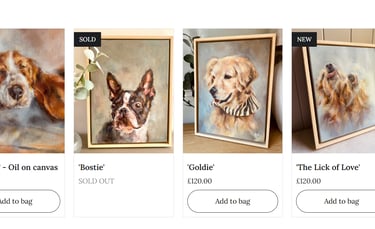
Some ideas of business to approach are Cafés & restaurants, Hair salons & barbers, Independent shops like Bookstores, florists or even dog grooming salons and vets if you paint pets.
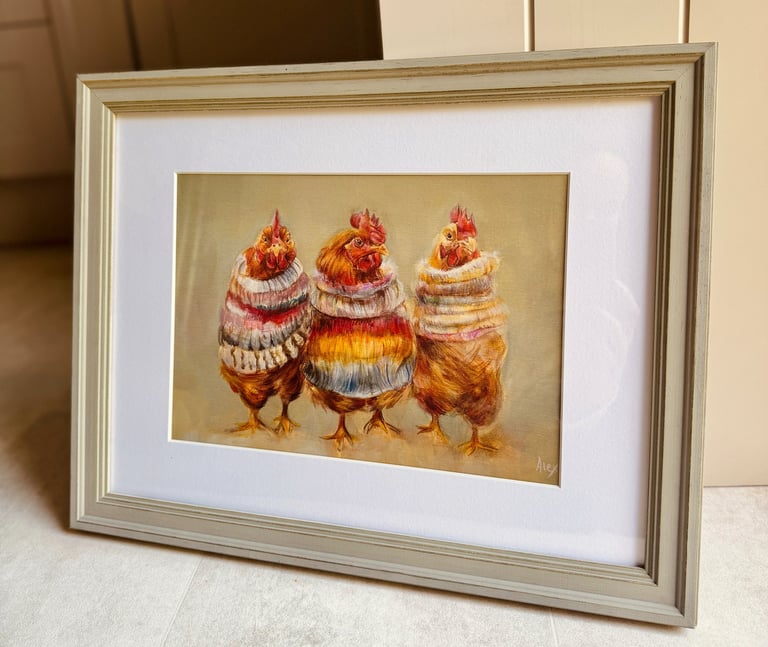
Don’t forget to include information about the piece like the title, medium and price you could also include a QR code that people can scan and would take them to the piece on your website.
If you wanted to provide business cards instead this would be an option but just bear in mind there would be a cost in printing the business cards if you don’t already have them.
If you have agreed for the business to sell the work on your behalf make sure you agree on a commission upfront. Obviously its entirely up to you how much commission you offer but I would start off in the region of 10-20% and negotiate from there.
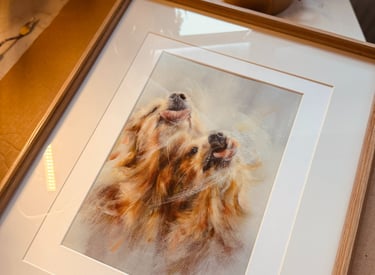
Open Studio days are an opportunity for you to show your work in person directly to potential buyers.
Do you have a studio in your home you could open up for a weekend? If it's summer you could do it in your garden, just have a gazebo handy if it rains!
Or do you have an outhouse like a shed could you turn that into a mini studio for the weekend.
Or perhaps a village hall you could borrow for a couple of hours. Perhaps negotiate with the village hall committee to have the hall for a couple of hours for free and then negotiate a commission of the sales.
2. Hold Open Studio Days
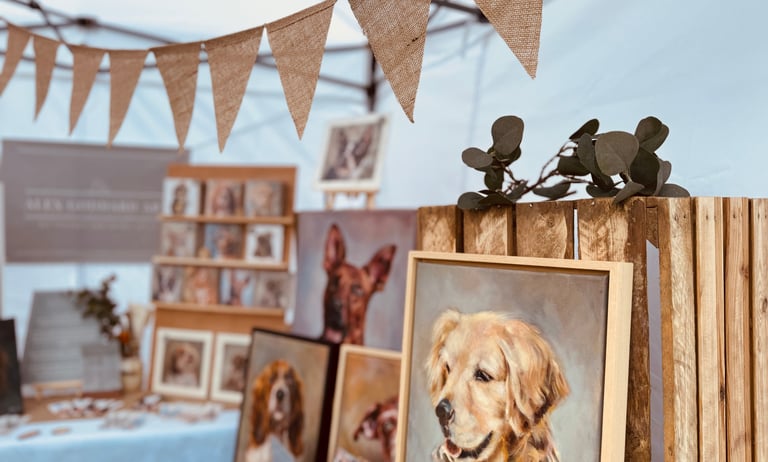
I used to be a member of a local art group known as the Horsham Artists and once a year they would arrange an art trail in the summer which includes artists studio open days, this involved around 40 to 50 artists so it was quite big.
Sometimes the artists would share spaces if someone doesn’t have a suitable space at their own house. So you could have multiple artists displaying their artwork at the same venue which would help to drive bigger footfall than if it was just one artist on their own.
Open Studio days work well if the event is advertised widely so having an already strong following in your local area or being part of a bigger group that has a big following is going to help spread the word more effectively.
Keep a look out for any local artists groups in your area that either already have studio open days as part of their yearly events calendar or perhaps you could suggest this to some local artists friends and set something up together.
It’s a good idea to have a big body of artwork for this one and think about having items at different price points like prints and greeting cards as not everyone will be looking to invest in an original piece.
Also think about holding the studio open days during peak selling periods in spring time and pre Christmas.
3. Get Featured in a Magazine Article
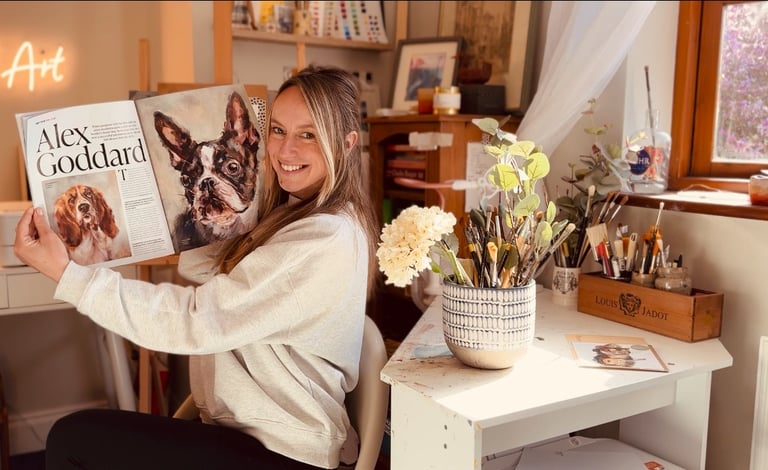
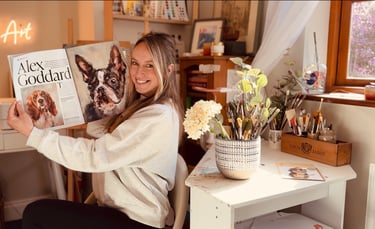
Last year I was featured in a popular art magazine called Artists & Illustrators and I didn’t have to pay for my article to be included.
Magazine editors are always on the look out for real stories, some examples could include process focused stories like how this artwork was made if you make something in a particular interesting way.
Human interest angles, for example have you had a career change? Have you gone from a corporate job to becoming an artist, returned to art after a long time or are you a late bloomer.
Or is there perhaps a community connection where you’re teaching, holding workshops or open studios.
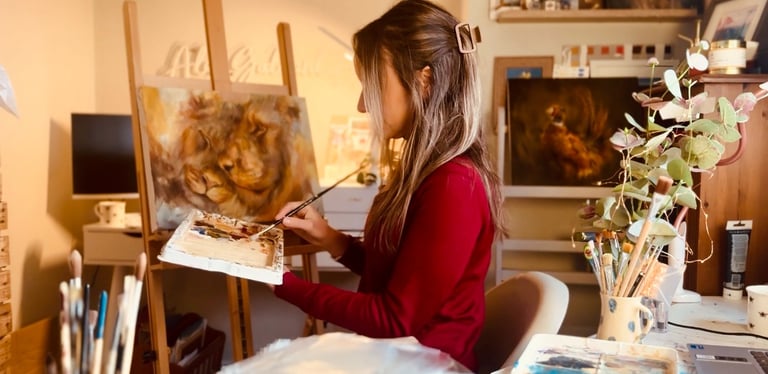
I pitched my idea to Artists and Illustrators via an email and my advice would be to lead with the story not the art, the art is an illustration of the story.
Editors don’t want “Please promote my art”, they want a story their readers care about. Your job is to show: Why your art matters to their audience. Attach 2-3 strong images to begin with and include details about where your are based – editors care about relevance.
After You Get Published add the magazine logo to your website. “Featured in…”, mention it in bios on Instagram and tag the magazine everywhere. They often reshare.
You may have heard of the saying your network is your net worth. Word of mouth is one of the most powerful ways to promote your artwork because it’s built on trust.
When someone talks about your work to a friend, family member, or colleague, it doesn’t feel like marketing—it feels like a recommendation. People are far more likely to buy an expensive piece of artwork when the artist is suggested by someone they already know and trust.
4. Word of Mouth
Another reason it works so well is that it grows quietly but consistently. It can take time to build up momentum with this one but one happy collector can lead to another, then another and this compounds over time.
Your name will most likely start coming up in conversation more than you would even know about.
So always make sure you are being professional and creating high quality work and providing a great service, for example delivering commissions on time or packaging and shipping artwork properly.
When people have a good experience or really bad experiences, they want to talk about it—and that kind of promotion is priceless.
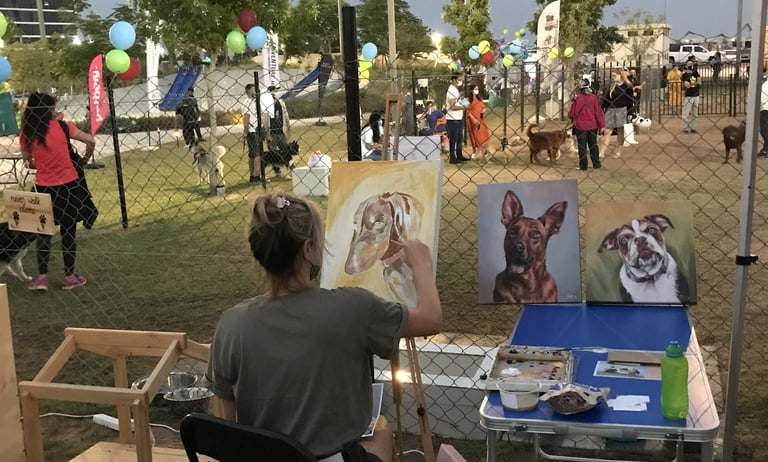
I often brought along a piece I was actively working on and painted live at the event. This proved to be a great conversation starter and led to a lot of commission work, as well as opening the door to further opportunities.
Look out for free events in your local area, such as charity events, where you could offer a percentage of your sales in exchange for attending at no cost. It’s also worth checking local Facebook groups to see what events are happening nearby.
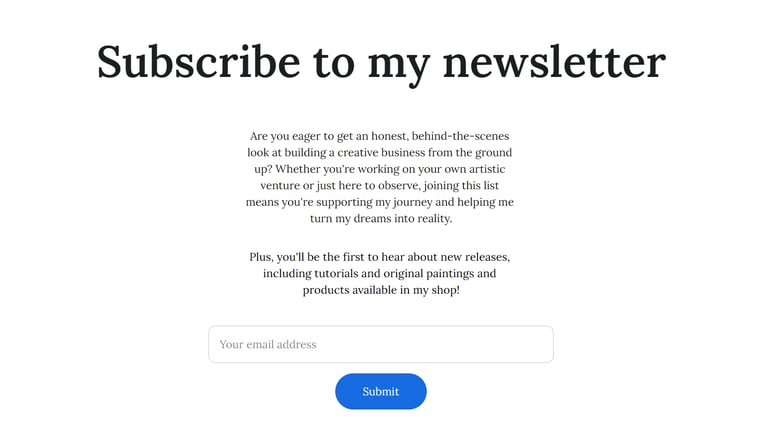
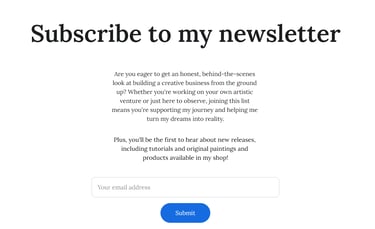
This one could be seen as both an online and an offline way of promoting your art, because you can collect email addresses at in-person events as well as online through your website or social media.
An email list is a really valuable business asset. I personally collect subscribers through a sign-up link on my website, and once you have a system in place for gathering email addresses, it becomes much easier to build momentum and maintain it over time.
6. Start and Grow An Email List
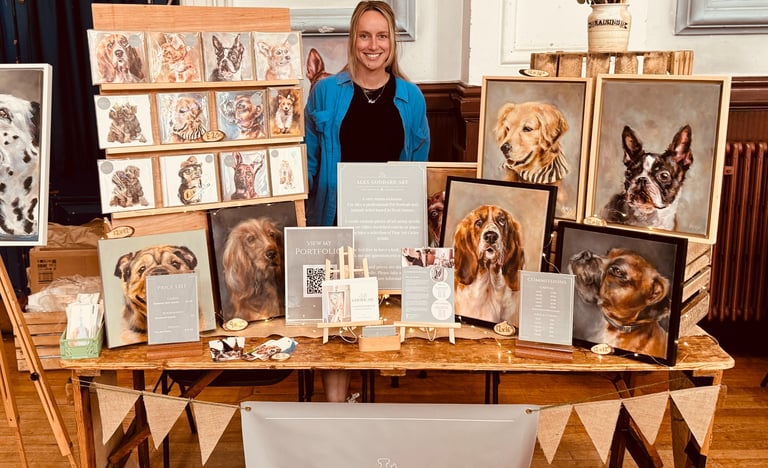
A couple of years ago, when I had a stand selling my pet portraits at a dog festival, I noticed a couple of other artists nearby who were also promoting pet portraits—one worked in watercolour, and another focused on pet photography. Throughout the day, I kept seeing them chatting to people while writing things down on a clipboard.
At first, I didn’t think much of it, but then it clicked—they were collecting people’s contact details.
It’s actually a brilliant opportunity to do this. Events like these give you a natural reason to follow up afterwards, whether that’s sending a friendly email with more information, your price list, or even a small discount code for a pet portrait. It’s a simple approach, but it turns a casual conversation at an event into a real opportunity to build a relationship—and potentially make a sale—after the event is over.
Obviously just make sure youre abiding by all the correct GDPR regs with this one.
If you have an online newsletter subscription link, you can encourage people to sign up by offering a small incentive, like a free resource—maybe a list of your favourite art materials—or a discount on one of your prints.
Building an email list of people who are interested in buying your work, learning from you if you’re an art tutor, or simply following your journey as an artist creates sales opportunities in the future. It’s also far more cost-effective to market to people who already know your work and are enthusiastic about it than constantly trying to reach brand-new audiences.
That said, it’s important not to go in with a hard sell every time you send a newsletter. The goal is to nurture your subscribers. Share regular updates that show your personality and give people a glimpse into what you’ve been working on in the studio.
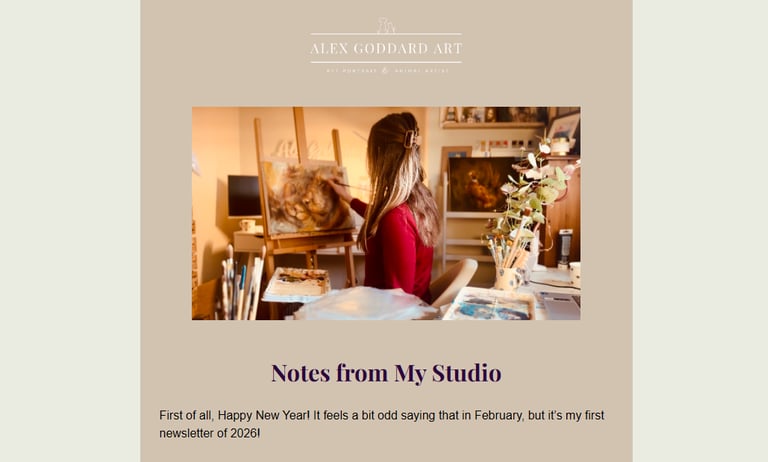
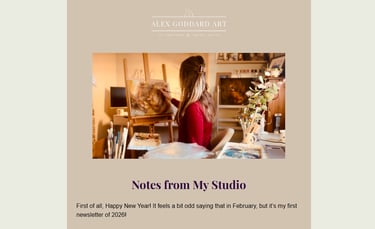
For example, I’ve recently started sending a “Studio Notes” style newsletter. In it, I talk about how I’m growing my creative business—how much time I spend on different tasks and what it’s really like behind the scenes of building an art business. Occasionally, I’ll also share updates about artworks for sale or new products I’ve launched, like greeting cards or bookmark designs—but it’s always part of a bigger story, not just a sales pitch.
7. Social Media
Now moving on to ways to promote your art online. The online art market now makes up around 25% of the total art market, and it’s only growing. So whether you love being online or avoid it as much as possible, it’s worth building a presence there.
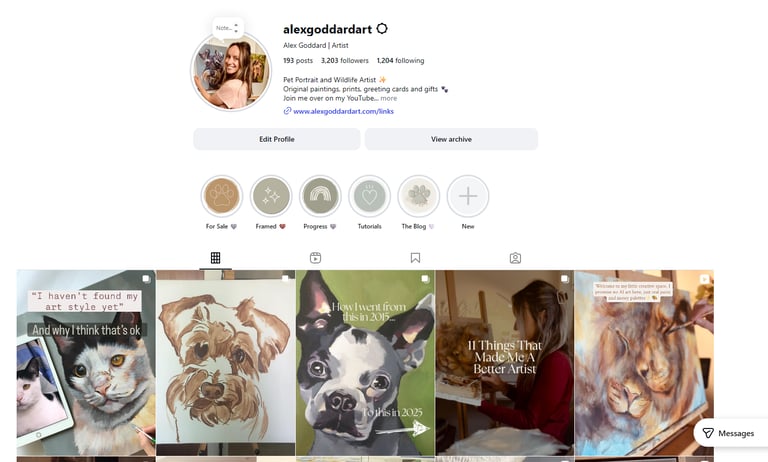
As much as many of us dislike social media at the moment, there’s no denying that it can still be a powerful tool for promoting our art when used strategically and it’s free (as long as you’re not paying for ads).
According to a recent Hiscox Art Trade Report, Instagram is currently the largest social media platform globally for discovering and selling art.
The biggest advantage of a platform like Instagram is reach. A single post has the potential to be seen by hundreds, thousands, or even tens of thousands of people, regardless of where they live. You can also build a community around your work, and when people share your posts, it creates a much larger, scalable form of word-of-mouth promotion than anything offline, which we discussed earlier.
The thing I hear helps most on Instagram is also the thing I’m worst at, and that's consistency. On top of that, the algorithm seems to change constantly — one minute it’s all about Reels, the next it’s carousels. If you’re able to keep up with these shifts and post regularly, Instagram can be a great option.
8. LinkedIn
Facebook used to be the platform for artists, but it now sits in second place according to the Hiscox report. It’s still used by galleries and buyers, though its importance has declined compared to Instagram.
One major advantage Facebook still offers is the ability to join local community groups, such as “Dogs in Dubai”. This is how I got invited along to those free events that I mentioned earlier. You could also contribute some kind of value to these groups, for example, answering posts like “I’m looking for handmade Christmas gift ideas” you can raise your profile locally.
You can also share work in buy/sell/trade groups (carefully). I haven’t actually tried this myself so unsure on its effectiveness. One strong image paired with a short story tends to perform best. You could even start your own conversation with a post like, “What kind of art do you wish you saw locally?”
Then there’s TikTok, which is growing rapidly in influence, particularly with younger audiences. It’s becoming increasingly important for art discovery and sales, albeit from a smaller base than Instagram.
I have actually sold two original paintings on TikTok in the last few months just by posting the same content that I created for Instagram.
In short, while social media can feel overwhelming at times, it remains one of the most accessible, powerful, and free tools available for growing your audience and selling your art.
9. Pinterest
LinkedIn is not as strong as the other platforms I just discussed for direct sales, but it's important for business relationships which means the ability to network, collaborate, or even get commission work.
It’s often overlooked by artists, including myself. I've not used it yet as I'm not sure if it’s a good fit for my business at this current time but that’s not to say it wont be in the future.
LinkedIn has several benefits if you use it in the right way. One of the biggest advantages is credibility. By sharing your artwork alongside posts about your creative process, achievements, or projects, you position yourself as a serious professional. You can share any important dates of things you’ve achieved like any art prizes you’ve won or any features in magazines or brands you’ve work with or gallery shows you’ve done. This can attract potential clients, galleries, or even brands looking for partnerships.
LinkedIn also makes it easy to connect with other professionals in the art world—curators, gallery owners, fellow artists, or art educators. Engaging with posts, joining groups, or publishing your own articles about art can expand your network without spending a penny.
Another key benefit is that LinkedIn content tends to have a longer lifespan than other social media platforms like Instagram and TikTok. A post about your latest project or a studio update can continue to reach people weeks after you’ve shared it, giving your work more visibility over time.
So whilst LinkedIn may feel more formal, but it’s a, credible, free and effective way to promote your artwork while building meaningful professional relationships.
10. Discord
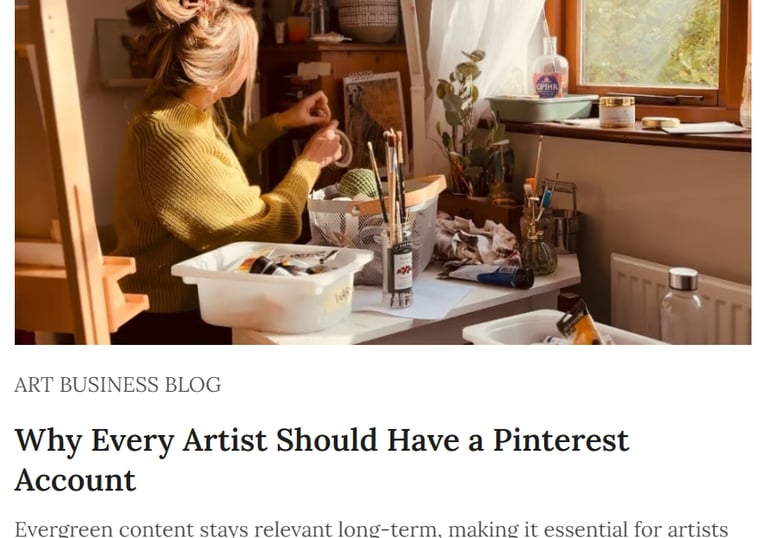
I’m a big fan of Pinterest, and contrary to popular belief, it’s not a social media platform it’s a search engine. Artists can use it to help people discover items they have for sale by driving traffic to their website or other online shop wherever that may be, for example on Etsy.
Research shows that sales on Pinterest are often lower than on platforms like Etsy or Instagram, but one major benefit is long-term engagement. For example, if you’re selling your artwork on a Christmas Bauble, creating an evergreen pin with tags like “Unique Christmas gifts for pet lovers” can continue showing up in search results year after year, steadily growing traffic over time.
Pinterest also actively promotes links that lead away from the platform, which makes it perfect for sending people to your website or online shop. Instagram, on the other hand, prefers keeping users on the platform, so adding links in posts is much harder.
1. Display Your Art At Local Businesses
I'll start with the offline opportunities.
5. Free Events
I started my art business in Dubai and, in the early days, I was invited to attend some free events to help promote my work.
I began by specialising in pet portraits, so I researched local dog groups, dog owner meet-ups, pet shows, and similar events. I reached out to the organisers and, more often than not, they were happy for me to attend with a few of my paintings.
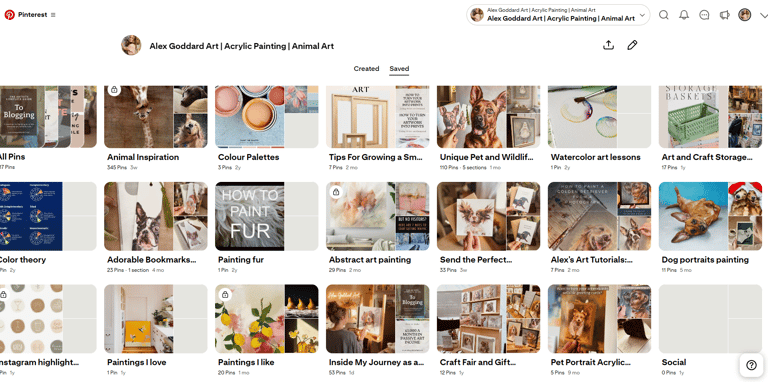
Think of Pinterest as a “slow burn” tool for long-term traffic. Some tips to make it work for you:
Use keyword-rich pin titles, e.g., “Hand-painted abstract landscape in oil – original art”
Create boards with buyer intent in mind, for example instead of 'Original oil paintings' you could say “Original Art for Living Rooms”
Re-pin older content to give it a bit of a refresh
Add pins of your artwork from different angles but with the same link.
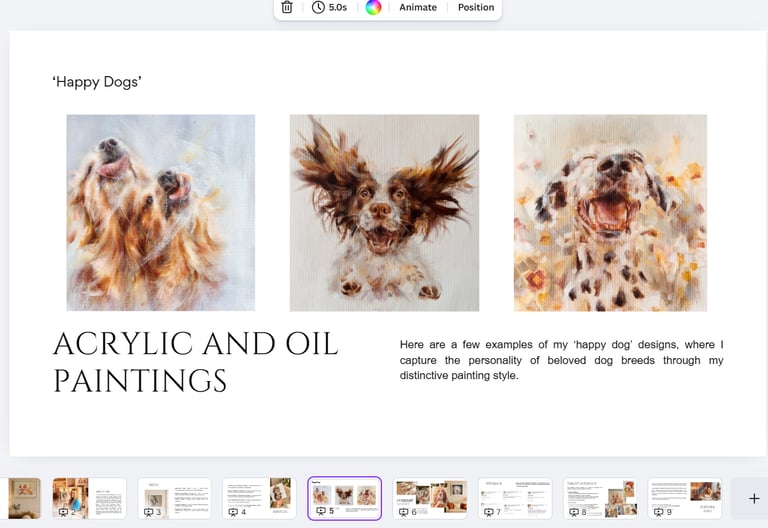
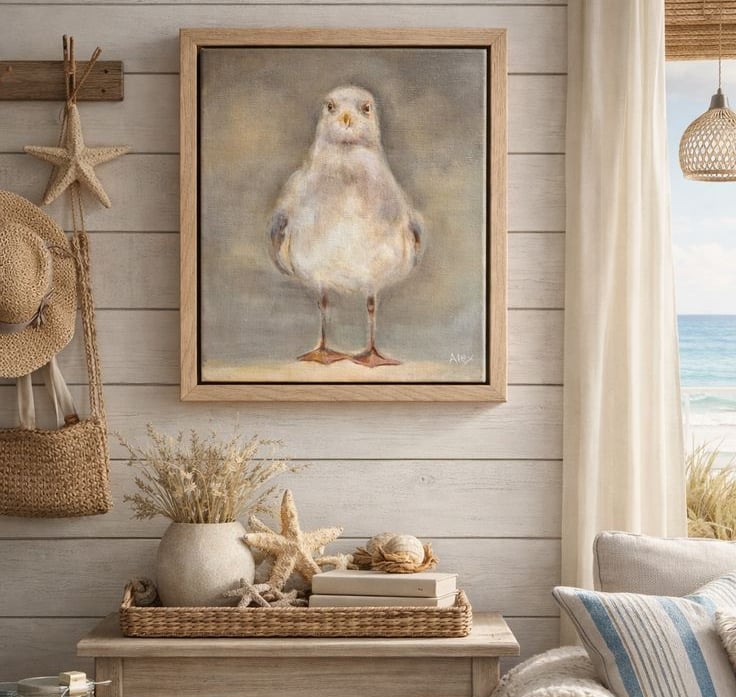
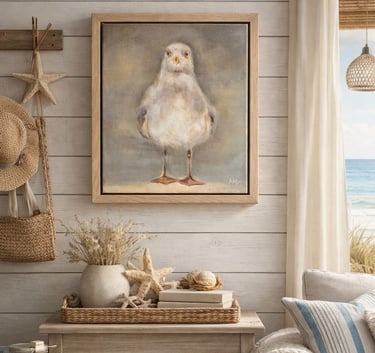
One thing I’ve found that makes a big difference on Pinterest is showing my paintings in situ. For example, if I create a pin of my seagull painting using just a straight photo of the artwork, it performs okay—but when I place that same painting into a living room or beach house mock-up, it performs far better. Seeing the artwork in a real-life setting helps people imagine it in their own space, which makes it more appealing and more clickable.
Done right, Pinterest can be a powerful, evergreen source of traffic for your art, helping you reach buyers long after you’ve pinned something.
This is one I haven’t yet used but Discord is a free online app where people can talk and share things in groups called servers. Each server is focused on a specific topic for example art, gaming, music, or local creatives.
Inside a server, there are different channels for different conversations. Some channels are for chatting, some are for sharing images, and others might be for asking questions or getting feedback. I think one of the main aims of Discord is to build relationships and support each other.
For artists, Discord is useful because it lets you connect directly with people who are interested in art, without algorithms deciding who sees your work. If you use the platform in the right way to build relationships rather than to “sell.” Then it can be a useful tool.
By chatting regularly, giving feedback on other artists’ work, and participating in discussions, people get to know you, not just your art. And why this all matters is that people are far more likely to support artists they feel connected to. This often leads to commission requests, collaborations, referrals and word-of-mouth promotion.
Many servers have dedicated commission job, or looking-for-artists channels. Being an active, helpful member makes you more visible and trustworthy when opportunities come up.
Discord is also a learning tool. You can get real-time critique, advice on pricing and marketing, and insight into what buyers and other artists respond to. Improving your work and confidence naturally makes promotion easier.
Because Discord isn’t focused on likes or follower counts, promotion feels more natural and less performative. A thoughtful post or conversation often goes much further than constant self-promotion elsewhere.
11. Reddit (Trust First, Links Later)
Reddit is a bit similar to Discord. It’s a place where people share content, ask questions, and talk about topics in communities called “subreddits.”
Each subreddit focuses on a specific interest, like painting, illustration, digital art, or even very niche hobbies. In simple terms, it’s like a huge collection of online clubs where people with the same interests hang out and share ideas.
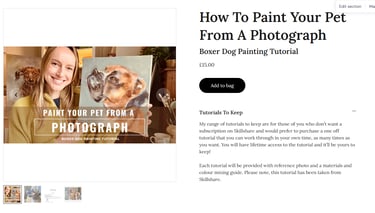
Reddit is good for promoting art for free because it’s a great way to find your ideal audience and share your work directly with people who care about it. You can also get feedback on topics like how to sell your art and Many subreddits encourage this through constructive critique, so you can improve your skills.
Being active on Reddit, through being helpful, and posting regularly makes people remember you. Reddit is community-focused, so don’t just post your art and run. Engage in discussions, comment on other posts, and provide value — that’s how you get noticed.
Over time, people may follow your work, share it, or even buy commissions. You also have the opportunity to include links to your website and online shop. You don’t need to pay for ads. All you need is a Reddit account and good posts.
12. Specialised Art Networks
There are more specialised artist platforms like Artmo, Cara and DeviantArt and these are also free. These platforms are where artists can interact and sell, but to a much smaller audience compared with Instagram, Facebook and TikTok.
Lets take Cara as the example here, it’s a popular social media or portfolio platform for artist's that focuses on blocking AI generated content. It’s an acronym for 'Council for At-Risk Academics'. The platform gained popularity as a place to share work without AI misuse.
Cara filters out generative AI images and blocks AI scraping which is the process of automatically collecting large amounts of data from websites, documents, images, or other online sources which is then used to train or improve artificial intelligence systems
So if AI theft or AI imagery it's something you don’t want on your platform then this is a great free option for you. If you're interested in trying out these platforms, double check their stance on AI art first if this is something you're concerned about.
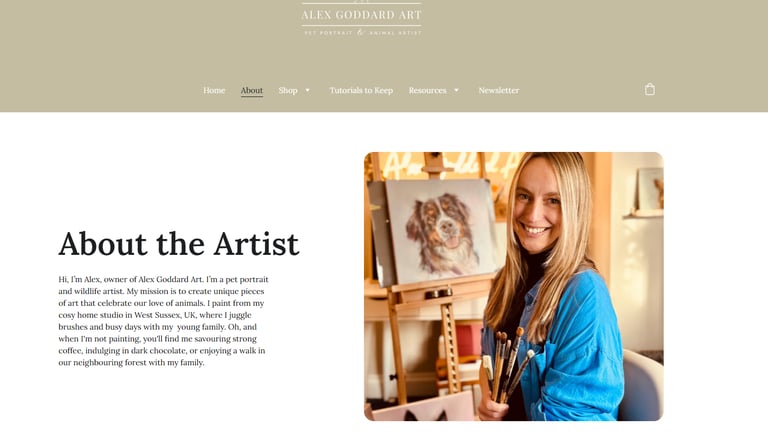
13. Starting a YouTube Channel
I love YouTube! I watch YouTube videos all the time, more so than my TV. You're able to find videos for just about anything, any hobby or niche interest you have.
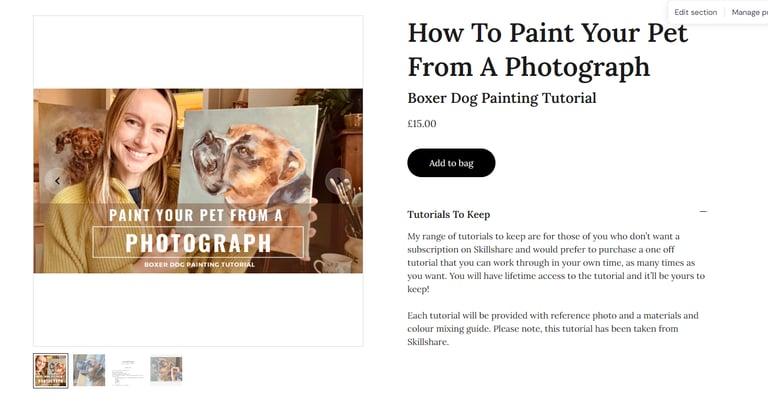
I also love making content for YouTube and at the moment it's still free to set up your own channel. YouTube is the second-largest search engine after Google. Unlike social media posts, videos don’t disappear after a day or two. People like to buy from artists they feel they know so hearing your voice, seeing your face, and learning your story builds trust.
Over time, viewers start to feel invested in your journey and want to support you. A YouTube video can keep bringing in viewers long after it’s uploaded. This makes it one of the best platforms for long-term, passive promotion.
You don’t need to post every day. Even one video a month can be effective if it’s useful or interesting. This makes YouTube more sustainable for artists who don’t enjoy constant posting.
I'm currently uploading about 2 videos every month as that’s all that I can handle. I was trying to do one a week in the beginning but that felt like it was getting a bit too much.
And if you're worried about appearing too salesy then you can naturally direct viewers to your website, shop, commissions in the video description and comments.

Final Thoughts
Promoting your art doesn’t have to be expensive or complicated. There are so many free ways to get your work seen, I hope I've given you some ideas and strategies in this blog post that you’d like to try, so have a research and see what would work best for you, and don’t be afraid to experiment.
Remember, promoting your art isn’t just about selling — it’s about building relationships, helping fellow artists, solving problems and sharing your story along the way. Every post, comment, or event you attend is a step toward growing your audience and opening new opportunities.
So pick one or two ideas from this list, take action, and keep creating. Your art deserves to be seen, and there are endless ways to make that happen — all for free.