
13 Ways to Promote Your Art For Free
ART BUSINESS TIPS
2/3/202610 min read
If you want to sell your art, people need to know it exists first. But finding ways to get your work seen can feel difficult, especially when you’re just starting out or don’t have a budget for advertising.
I’ve been building my own art business through pet portraits, original paintings, prints and greeting cards. Along the way, I’ve tried different ways of reaching customers, both online and in person.
In this article, I’m sharing 13 ways to promote your art without paying for advertising. Some are methods I’ve used myself, while others are options I’m still exploring. They can still involve time, materials, travel or a commission on sales, but you don’t need a large marketing budget to get started.

2. Hold Open Studio Days
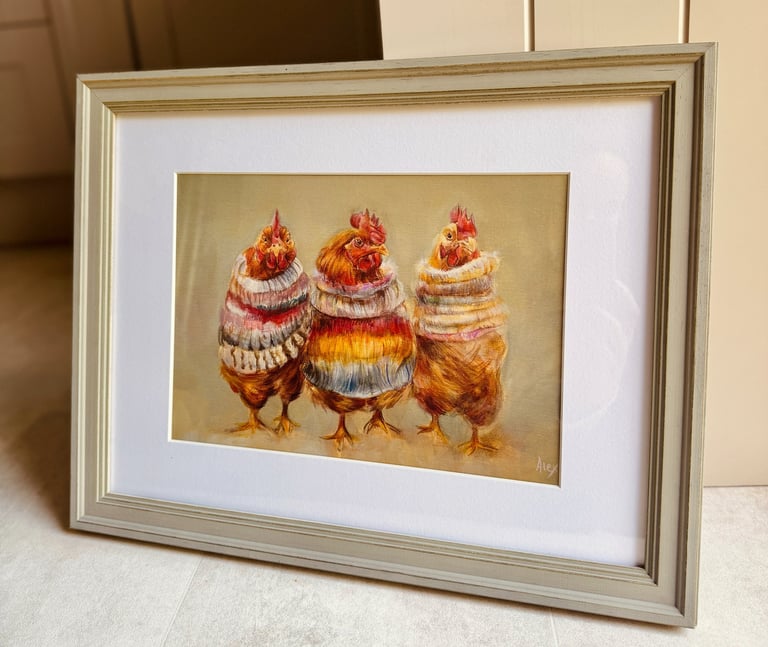
An open studio gives people the chance to see your work in person, meet you and learn a little about how you create it.
You don’t necessarily need a separate professional studio. A suitable room at home, a garden studio or a shared space could work. Think about whether the space is safe, accessible and practical for visitors.
I used to belong to the Horsham Artists group, which organised an art trail involving around 40–50 artists. Some artists opened their own studios, while others shared venues.
Being part of a group meant we could promote the event together. Visitors could make a day of seeing several artists, and anyone without a suitable space could potentially exhibit alongside someone else.
Look for local art trails or artist groups in your area. If there isn’t an existing event, you could start by discussing a small shared open day with a few other artists.
It also helps to offer work at different price points. Someone might love your paintings but only have the budget for a print or greeting card.
If you’re interested in creating more affordable products from your artwork, you can read about how I make and sell greeting cards or how I turn paintings into prints using print on demand.
3. Get Featured in a Magazine Article
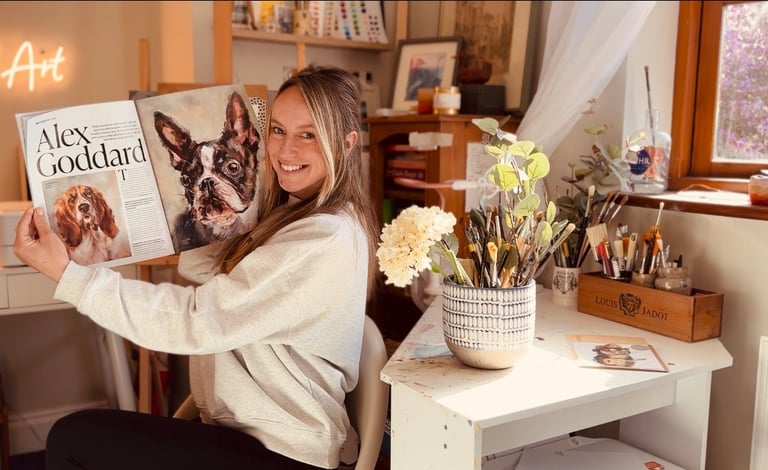
I was featured in Artists & Illustrators magazine without paying for the article to be included. I approached them by email with a story idea.
The useful thing to remember is that an editor needs something their readers will find interesting. Simply asking a magazine to promote your paintings is unlikely to give them enough to work with.
Possible story angles include:
An unusual technique or creative process.
A career change or return to art after a long break.
A project with a personal story behind it.
Your involvement in teaching, workshops or community events.
Keep your initial email focused. Explain the story, why it could suit the magazine and where you’re based. Include a small selection of strong images and a link to your website.
Read the publication first so you understand its audience, and check whether it has submission guidelines.
If you’re featured, share a link with your audience and mention it in your artist biography. Check what you’re allowed to reproduce before adding the magazine’s logo or article pages to your website.


4. Encourage Word of Mouth
Word of mouth can be a valuable way to find customers because a personal recommendation comes with trust.
Someone who has bought a painting from you may recommend your work to a friend looking for a gift. A person who sees your artwork in a customer’s home might ask who painted it.
You can’t control those conversations, but you can give people a good experience worth sharing.
Communicate clearly, meet agreed deadlines and take care with packaging and delivery. Make it easy for customers to find your website again when someone asks about your work.
After an order has arrived safely, you could also invite the customer to leave a review or share a photo. Keep it friendly and optional.
Recommendations can take time to build. One happy customer won’t necessarily lead to another sale immediately, but looking after the people who already support your work is a good place to start.


6. Start and Grow An Email List
An email list gives you a way to stay in touch with people who have chosen to hear from you.
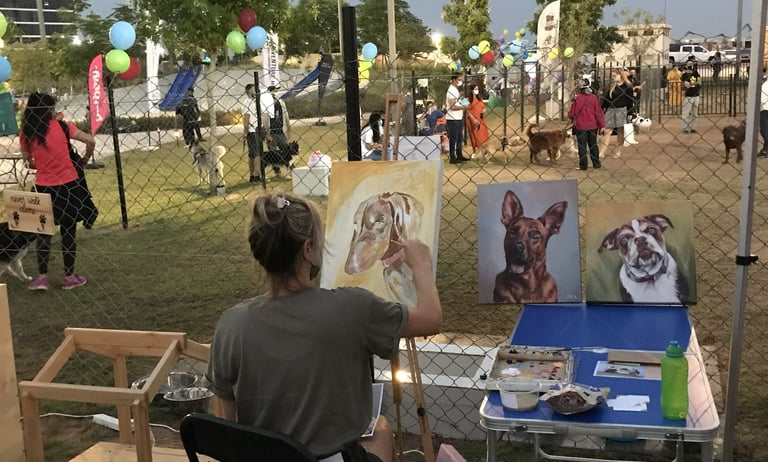
At a dog festival where I was promoting my pet portraits, I noticed other artists chatting with visitors and writing down their contact details. It made me realise that an event could be more than a chance to make sales on the day—it could also be a way to build ongoing connections.
You could offer a newsletter signup through a QR code at your stand or a form on your website.
Be clear about what people are signing up for. If you run a prize draw, give people a separate choice about receiving marketing emails rather than automatically adding every entrant to your newsletter. Include an easy way to unsubscribe.
A useful free resource can give people a reason to join. For example, I offer a free guide to pricing and selling pet portraits online, followed by art business advice and behind-the-scenes updates.
Once people subscribe, think about what would be useful or interesting to them. You could share your process, lessons you’ve learned, new work or upcoming events.
You don’t need to turn every email into a sales pitch. Give people a reason to keep reading and get to know the person behind the artwork.
7. Use Social Media in a Manageable Way
Social media can help people discover your artwork, see your process and get to know you.
That doesn’t mean you need to be active everywhere. If you’re already balancing painting, orders and everyday life, trying to maintain several platforms can become overwhelming.
Choose one platform you’re comfortable using and start there. Share finished work, details from paintings, short process videos or the story behind a piece.
I’ve sold two original paintings through TikTok after sharing content I’d already created for Instagram. That’s my experience rather than a promise of results, but it showed me that reusing suitable content can be worth trying.
Local Facebook groups may also help you discover events or connect with people in your area. Read the group rules before posting, and contribute where you can instead of only sharing sales links.
Make your profile clear about what you create and where people can find your work. Then pay attention to what leads to useful conversations, website visits or enquiries—not just likes.


8. Explore LinkedIn for Professional Connections
LinkedIn is one I haven’t properly tested for my own art business yet, but it could be worth exploring if you want to build professional relationships.
Depending on your work, you might use it to connect with interior designers, art consultants, local businesses or people organising events and exhibitions.
Your posts could include recent projects, your creative process, an exhibition or a magazine feature. Explain the work in a way that helps someone understand what you offer.
You could also follow relevant organisations and join conversations where you have something useful to contribute.
I’d treat LinkedIn as a place to build connections rather than expecting immediate sales. Whether it deserves your time will depend on your audience and the kind of opportunities you’re looking for.
9. Use Pinterest to Help People Discover Your Work
I’m a big fan of Pinterest as a visual search and discovery platform.
People use it to look for ideas, inspiration and products. That gives artists an opportunity to create pins that lead to a painting, product page, tutorial or blog post.
One thing I’ve found helpful is showing my artwork in a room setting. A photograph of a painting shows the piece itself, but a room mock-up can help someone imagine it in their own home.
You can create several different images for the same piece of content, each with a relevant title and a link to the correct page.
Some ideas to try:
Use clear descriptions that match what someone might search for.
Create boards around relevant subjects, such as animal wall art or gifts for dog lovers.
Share details, full views and room mock-ups of your paintings.
Link each pin to the most useful page rather than sending everyone to your homepage.
Pins can continue bringing visitors to your content after you publish them, although results vary and can take time.
For more detail, read my Pinterest guide for artists.
5. Attend Events Without an Upfront Stand Fee
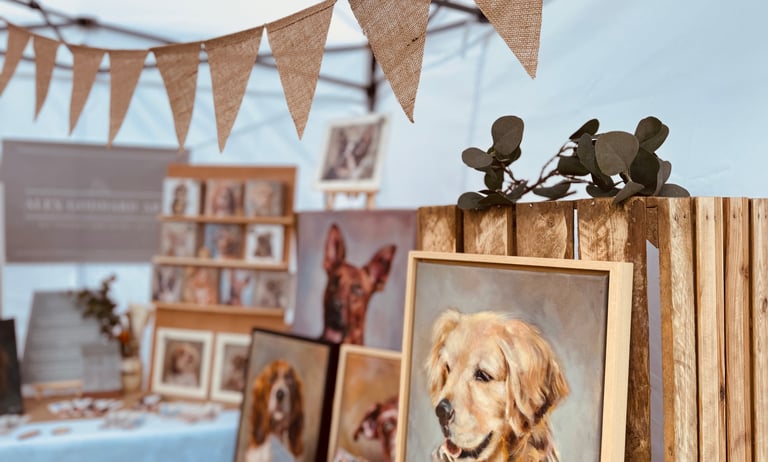
When I started my art business in Dubai, I specialised in pet portraits. I researched local dog groups, pet shows and dog-owner meet-ups, then contacted organisers about attending with my work.
Some invited me to bring along a few paintings without paying an upfront stand fee.
I often took a portrait I was working on and painted during the event. This gave people a reason to stop and chat, and it led to commission enquiries and further opportunities.
Look for events that suit your work rather than trying to attend everything. A small event with the right audience may be more useful than a busy one where few visitors are interested in what you create.
Local community groups and event organisers can be good starting points. You could also ask whether a charity event would consider a percentage of sales instead of a stand fee.
Before agreeing, check what you’ll need to provide and consider travel, display equipment and your time. An event without a stand fee can still have costs.
1. Display Your Art At Local Businesses
Displaying your artwork in a local business can help you reach people who might never otherwise discover your work.
You could lend a small selection of paintings for a temporary display, with your contact details beside each piece. Alternatively, the business could sell the artwork on your behalf in exchange for an agreed commission.
Think about places where your potential customers already spend time. Cafés, restaurants, hair salons, independent bookshops and florists could be worth approaching. If you paint pets, dog groomers or veterinary practices might be a good fit.
Start with a small selection of work and a clear proposal. Explain what you would provide, how long the display would stay up and how it could benefit the business.
Include the title, medium and price beside each painting, along with your website address or a QR code linking directly to the piece. This gives interested people an easy way to find out more.
If the business will handle sales, agree the commission and payment arrangements before leaving your work. It’s also sensible to agree who is responsible for damage, how the paintings will be displayed and when you’ll collect them.
You can suggest a commission you’re comfortable with, but make sure your selling price still covers your costs and time. If you paint commissions and struggle with this part, I’ve shared how I approach pricing pet portraits.


10. Explore Relevant Discord Communities
Discord is another option I haven’t personally tested yet. It hosts communities, known as servers, where people can chat, share work and discuss particular interests.
For artists, a relevant community could be a place to exchange feedback, ask questions and get to know other creatives.
Some servers have channels for commissions or sharing artwork, but the rules vary. Read them before posting links or promoting your services.
Start by finding a community you genuinely want to participate in. Join conversations, offer useful feedback and learn how the group works.
Connections may lead to opportunities over time, but I wouldn’t join with the expectation that posting a few paintings will immediately bring customers.
11. Join Relevant Reddit Communities
Reddit is organised into communities called subreddits, each focused on a particular subject.
You might find groups discussing painting techniques, art businesses, specific materials or subjects you enjoy painting.
These can be useful places to learn, ask questions and share your experience. Some allow artwork or promotional posts, while others restrict or prohibit them.
Read each community’s rules carefully. A post that’s welcome in one group may be removed from another.
If you share your work, give people something to engage with: a process explanation, a question or the story behind the painting.
Treat Reddit as a community first. Only add your website or shop link where it’s allowed and relevant to the conversation.


12. Consider Specialist Art Platforms
Specialist platforms such as Cara, Artmo and DeviantArt are other places to explore when deciding where to share your work.
They have different audiences, features and policies, so it’s worth looking around before investing time in building a profile.
Cara, for example, is an artist-focused social and portfolio platform with policies addressing generative AI and the use of artists’ work.
However, no platform can guarantee that publicly visible images won’t be scraped. If this matters to you, read the platform’s current policies and protection information so you understand its limitations.
You don’t need to join every art platform. Choose one that fits your work and goals, keep your profile clear and decide whether participating there is giving you something useful in return.


13. Start a YouTube Channel
I love watching YouTube, and I also enjoy sharing my own experience of painting and building an art business there.
Video gives people a chance to hear your voice, see how you work and get to know you beyond a finished painting.
You could share painting demonstrations, studio updates, materials you use or lessons you’re learning as you build your business. You don’t need to present yourself as an expert in everything—sharing an honest experience can be useful too.
I found that trying to upload every week became too much alongside the rest of my work. A more manageable schedule gives me time to create videos without letting them take over.
Start with a pace you can maintain. Think about questions your audience asks and subjects you’d enjoy discussing.
Where relevant, include links to the artwork, resources or services mentioned in the video. Give viewers a clear next step without making every video a sales pitch.
You can visit my YouTube channel to see how I share my painting process and art business experiences


Final Thoughts
You don’t need to try all 13 ideas at once.
Choose one that suits your artwork, your audience and the time you have available. Give it a fair trial, then look at what happened. Did it lead to useful conversations, website visits, subscribers or enquiries?
Keep notes so you can decide what to continue, adjust or stop. The aim is to find a manageable way of helping the right people discover your work.
If you’d like more practical help as you build your art business, explore my guides and templates for artists.